01
Oil & Gas
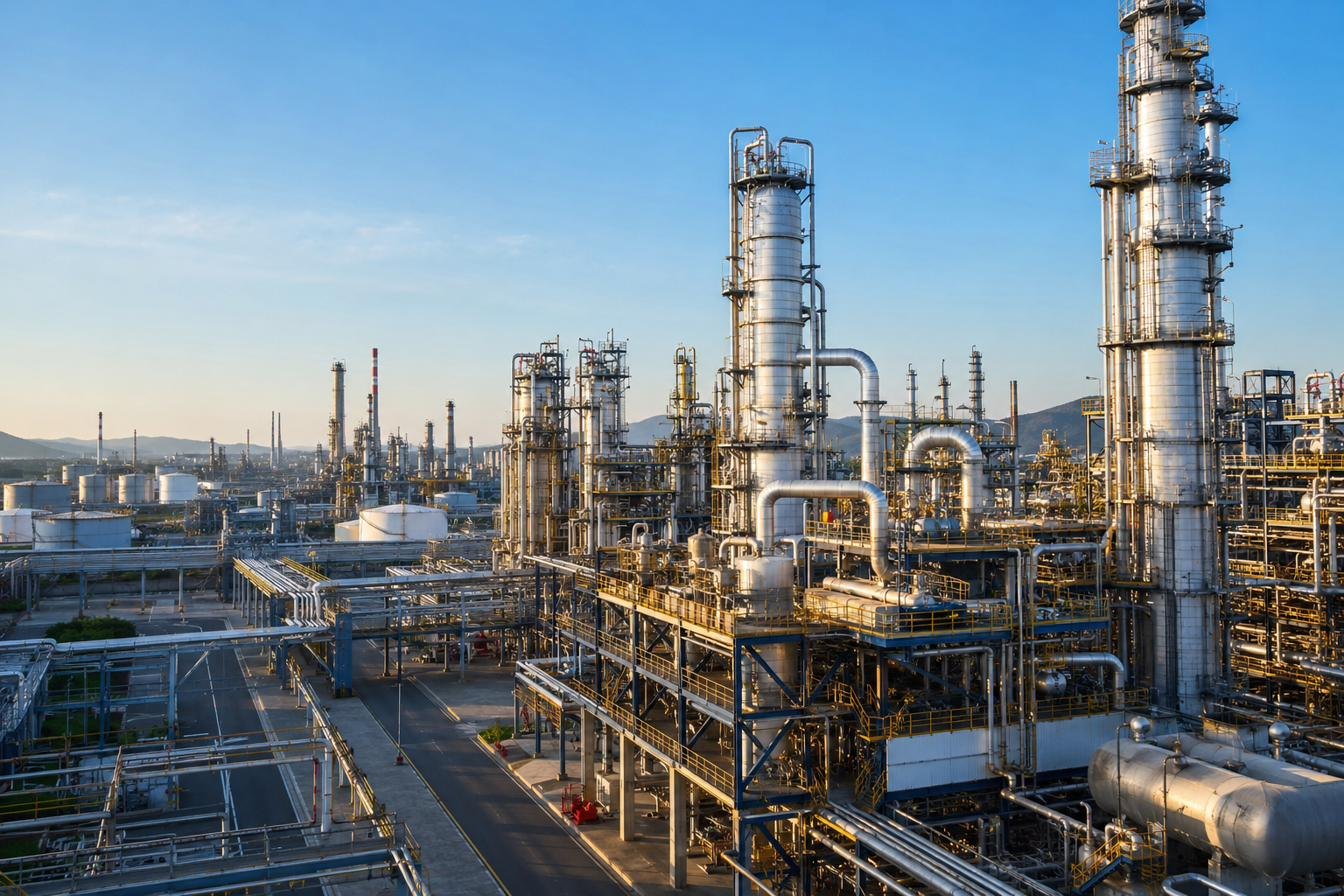
Upstream separation, gas processing and treating trains.
- Gas–oil separation
- Feed gas drying
- Cold box
- +2 more

Tri-Angle Simulation Pvt. Ltd. has done one thing since 1979: make it possible to learn a process plant without risking one.
Tri-Angle Simulation Pvt. Ltd. was founded in Mumbai in 1979. At the time, simulator-based training belonged to aviation, aerospace and nuclear power. The idea that a refinery board operator or a boiler engineer should also learn on a model first was, in India, new.
We built the country’s first process simulator at the Advanced Training Institute in Madras in 1983, and delivered India’s first digital computer simulator to Bharat Petroleum in 1985. Since then the work has covered crude and vacuum distillation, catalytic cracking, sulphur recovery, ammonia and urea, 210 MW and 500 MW thermal units, hydro sets, pulp and paper, and the unit operations taught in engineering laboratories.
The company remains engineering-led and family-run. Its simulation libraries — the front end and the back end both — were written in-house and are maintained by the people who wrote them.
Years in simulation
Continuously since 1979
Client organisations
Refineries, utilities, institutes
Flagship projects
Named and documented deliveries
Continents served
Asia, Europe, N. America, Africa
Every entry below is a named project taken from Tri-Angle’s own brochures and company presentation.
Tri-Angle Simulation founded in Mumbai as India’s first process simulation company.
First process simulator in India developed and installed at the Advanced Training Institute, Madras.
India’s first digital computer simulator delivered to Bharat Petroleum’s refinery.
Ammonia and urea plant simulation on a Yokogawa DCS console delivered in Saudi Arabia, with ASI, USA. Lube refinery simulation completed with ABB-Simcon in the USA.
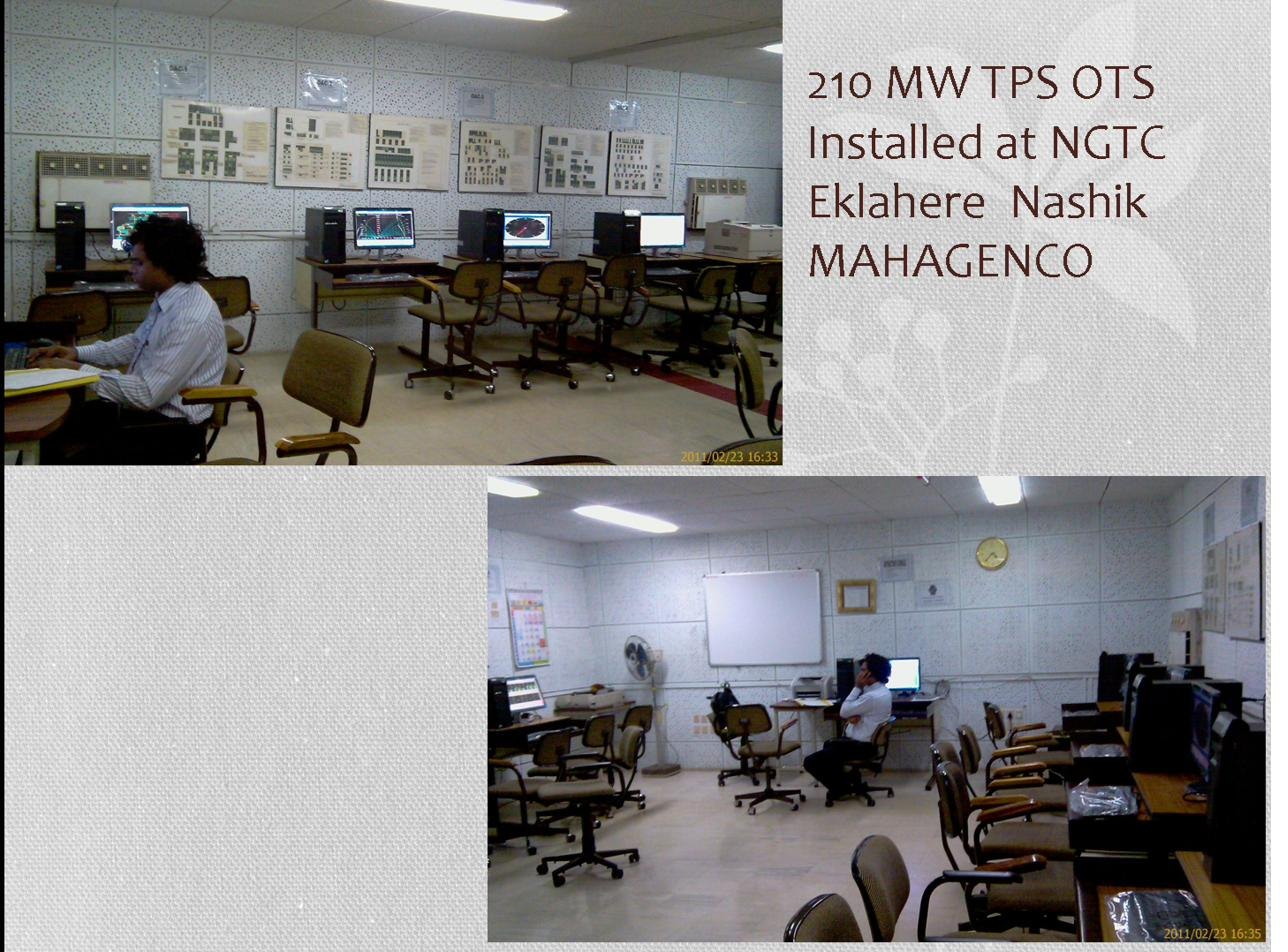
Crude distillation unit simulated for IOCL Baroda with CMC Ltd. One-to-one panel-based 210 MW simulators delivered to MSEB’s Nashik and Koradi training centres.
FCCU simulator with emulated Honeywell TDC-3000 completed for HPCL, with ASI, USA.
Direct-connect simulator using a TDC-3000 console and DEC Alpha completed for HPCL Mumbai.
PC-based process training simulator with TDC-3000 emulation and FCCU, CDU and VDU models supplied to BPCL.
Generic 210 MW thermal power plant simulators delivered to PSEB (Ropar), CSEB (Korba) and GEB (Wanakbori).
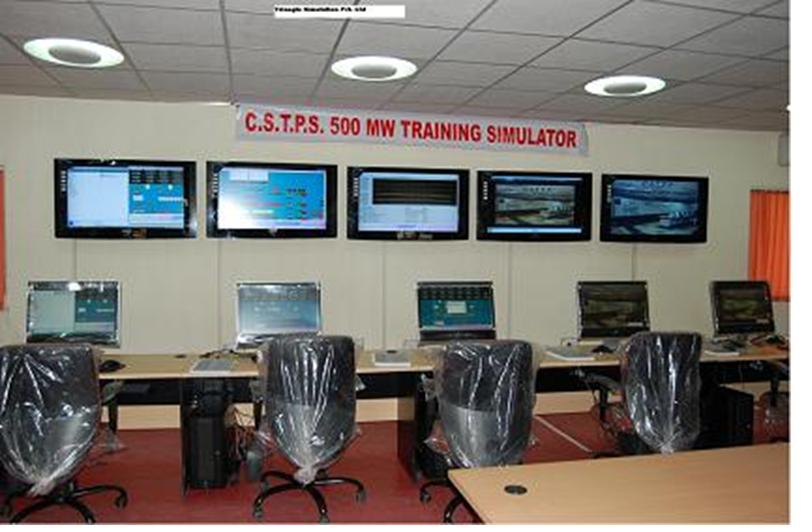
500 MW simulator installed, commissioned and customised at MAHAGENCO’s Chandrapur station.
Process training simulator supplied, commissioned and trained on at Bharat Oman Refineries, Bina; operator training repeated on site in 2025.
Coiled-type heat exchanger control system, solid–liquid extraction setup, bubble cap distillation pilot plant, pH control system and PLC trainers delivered to institutions including GGSIPU, GGV Bilaspur, RCF, NIT Warangal and IIT Kanpur.
Hardware-in-loop testbeds for 500 MW thermal (VJTI) and 40 MW hydro (Central University of Jammu), and a waste water treatment research platform for VJTI.
To be the preferred supplier of competitively priced, high-fidelity simulation software and training equipment for refineries, power plants, fertiliser plants and academic institutions.
A simulator is a process problem, a control problem and a software problem at the same time. All three are handled in-house.
First-principles dynamic modelling of distillation, cracking, reaction, heat transfer, separation and utility systems.
Boiler, turbine, generator, electrical and balance-of-plant systems, including FSSS, ATRS, co-ordinated master control and turbine stress evaluation.
Loop design and tuning, interlock and trip logic, DCS emulation, SCADA supervision and PLC integration.
Real-time simulation engines, animated graphics, instructor tooling, cloud-native platforms and embedded firmware.
Instrumented lab-scale rigs and pilot plants, structural tanks and piping, control panels, electronic boards and embedded systems.
Simulation automation, predictive analytics and personalised training environments for next-generation platforms.
A model either matches the plant data or it does not. We would rather spend the extra week tuning it than describe it well.
Our simulation libraries, model builder and graphics utilities are our own work. Nothing important is a black box we cannot open.
Every simulator exists so that a mistake happens on a model instead of on running plant. That is the whole argument for this industry.
Several of our installations have been in service for over twenty years, maintained by the same company that built them.
Dynamic plant models driving an emulated DCS or a one-to-one panel replica, with an instructor station that controls every session.
Custom first-principles models tuned to your equipment data, valve characteristics and five sets of operating data across the load range.
Working PC-based control rigs — level, flow, cascade, pH, pressure, distillation, reactors — for teaching laboratories and training centres.
Self-paced PC courseware for one system at a time — built for marine, defence and specialised equipment that cannot be taken out of service to train on.
Real transmitters, controllers and final elements wired to a live mathematical model, for control-system testing and research platforms.
On-site and classroom programmes running from three days to a week, delivered at plants, training centres and engineering colleges.
Site acceptance testing, model tuning against plant data, handover training, and long-term maintenance of the models we deliver.
Each sector below is represented in our model library by units we have built, tuned and commissioned.
Upstream separation, gas processing and treating trains.

The units that decide a refinery’s margin and its safety record.
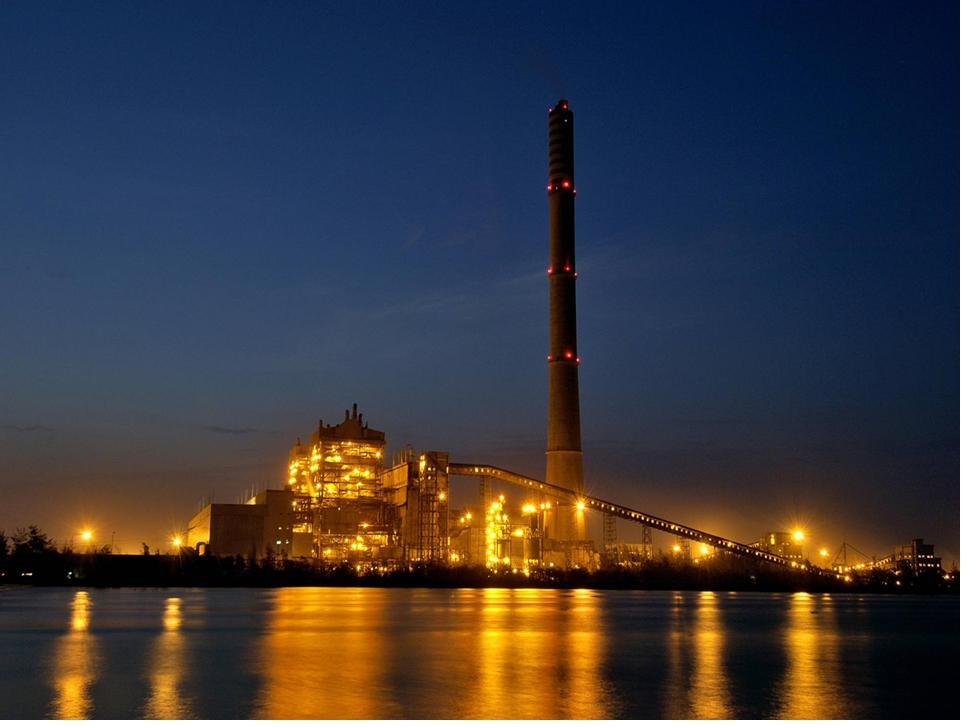
Coal-fired and hydro units, from cold start to full-load trip.

Ammonia, urea and the unit operations around them.

Where the next generation of process engineers learns control.
Founded in 1979 and now in the hands of its second generation, both of whom trained as engineers before joining the business.
Founder
Founded Tri-Angle Simulation in Mumbai in 1979, making it India’s first process simulation company at a time when simulator-based training belonged to aviation, aerospace and nuclear power alone.
Joined 1984
Joined the company in 1984, five years after it was founded, during the period that produced India’s first process simulator and its first digital computer simulator.
Director
16 years in the technical industry. MS in Electrical Engineering, cum laude, New York University — Polytechnic School of Engineering. Works across RF engineering, mathematics and artificial intelligence.
Director
14.5 years in the technical industry. BS in Computer Engineering, cum laude, New York University — Polytechnic School of Engineering. Works across physics, robotics and artificial intelligence.
Four decades of Windows-based simulation platforms gave us models that plants trust. The next generation of that work is being rebuilt around how engineers now expect to reach software.
These are active development directions from Tri-Angle’s business plan, not shipping products. Ask us what is available today.
Tell us what you operate and what you need people to be able to do. We will tell you honestly what is straightforward and what is not.